
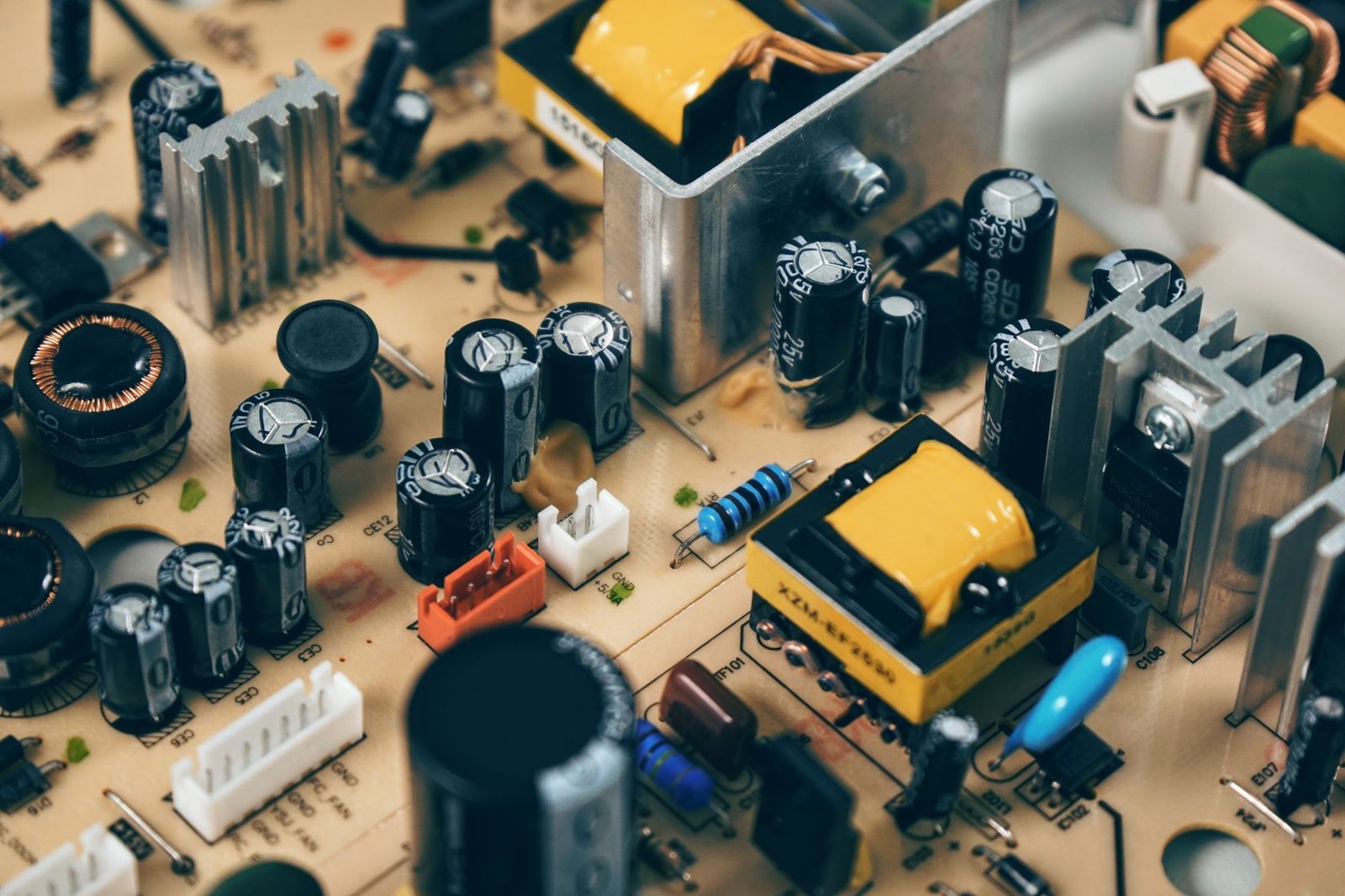
Twelve kilowatts of off grid output at a price the hybrids cannot match, paid for in documentation. Pairings resolve to unverified on comms, which describes the paperwork rather than the hardware.
Published figures
- Continuous output
- 12,000 W
- Surge output
- 24,000 W
- Battery voltage window
- 40 to 60 V
- Max charge current
- 250 A
- Battery comms
- RS485, CAN
- Output
- 120/240 V split phase
- Grid interactive
- No, off grid only
- PV input
- 15,000 W, 500 Voc max
What this inverter will and will not do
- It will not export to the grid or run as a grid interactive hybrid. It charges from PV or AC and runs loads from the battery. If your plan involves net metering, this is the wrong unit.
- Output is 120/240 V split phase from one box, so standard household 240 V loads run directly.
- Battery communication runs over RS485, CAN, and closed loop still depends on both sides agreeing on a message format rather than only on a bus standard.
Sizing a battery bank for it
This inverter delivers up to 250 amps of charge current, and that figure, not your daily energy use, sets the minimum pack count. Every battery below is shown at the smallest bank that can absorb the full charge rate.
| Battery | Packs needed | Bank capacity | Voltage window | Charge accepted | Comms | Result |
|---|---|---|---|---|---|---|
| BYD Battery-Box Premium LVS 8.0 | 1 | 8.0 kWh | 40.0 to 57.6 V | 250 A | CAN | Unverified |
| LiTime 48V 50Ah | 4 | 10.2 kWh | 40.0 to 58.4 V | 100 A | none | Conflict |
| Dyness B4850 | 5 | 12.0 kWh | 44.0 to 54.0 V | 250 A | CAN, RS485 | Unverified |
| Growatt ARK 2.5H | 5 | 12.8 kWh | 44.0 to 57.6 V | 250 A | CAN, RS485 | Unverified |
| Discover AES 48-6650 | 2 | 13.3 kWh | 42.0 to 57.6 V | 260 A | CAN, Modbus | Unverified |
| Discover AES 42-48-6650 | 2 | 13.3 kWh | 42.0 to 57.6 V | 260 A | CAN, Modbus | Unverified |
| Pylontech US3000C | 4 | 14.2 kWh | 44.5 to 54.0 V | 296 A | CAN, RS485 | Conflict |
| Pylontech US5000 | 3 | 14.4 kWh | 44.5 to 54.0 V | 300 A | CAN, RS485 | Unverified |
| Freedom Won eTower 5 | 3 | 15.0 kWh | 44.0 to 57.6 V | 300 A | CAN | Unverified |
| SimpliPhi PHI 3.8 | 4 | 15.2 kWh | 44.0 to 57.6 V | 300 A | none | Unverified |
| EG4 LifePower4 48V 100Ah | 3 | 15.4 kWh | 44.8 to 58.4 V | 300 A | CAN, RS485 | Unverified |
| EG4 LL-S 48V 100Ah | 3 | 15.4 kWh | 44.8 to 58.4 V | 300 A | CAN, RS485 | Unverified |
| SOK 48V 100Ah Server Rack | 3 | 15.4 kWh | 46.4 to 56.0 V | 300 A | CAN, RS485 | Unverified |
| Pytes E-BOX 48100R | 3 | 15.4 kWh | 44.8 to 58.4 V | 300 A | CAN, RS485 | Unverified |
| Jakiper JK48V100 48V 100Ah | 3 | 15.4 kWh | 44.8 to 58.4 V | 300 A | CAN, RS485 | Unverified |
| Vatrer 48V 100Ah | 3 | 15.4 kWh | 40.0 to 58.4 V | 300 A | RS485 | Unverified |
| Ruixu 48V 100Ah Server Rack | 3 | 15.4 kWh | 44.8 to 58.4 V | 300 A | CAN, RS485 | Unverified |
| EG4 LifePower4 V2 48V 100Ah | 3 | 15.4 kWh | 44.8 to 58.4 V | 300 A | CAN, RS485 | Unverified |
| Pytes V5 48V 100Ah | 3 | 15.4 kWh | 44.8 to 58.4 V | 300 A | CAN, RS485 | Unverified |
| Pytes R-BOX 48V 100Ah | 3 | 15.4 kWh | 44.8 to 58.4 V | 300 A | CAN, RS485 | Unverified |
| Trophy Battery 48V 100Ah | 3 | 15.4 kWh | 44.8 to 58.4 V | 300 A | CAN, RS485 | Unverified |
| SunGold 48V 100Ah Rack | 3 | 15.4 kWh | 44.8 to 58.4 V | 300 A | CAN, RS485 | Unverified |
| Growatt ARK XH 5.1 | 3 | 15.4 kWh | 44.0 to 57.6 V | 300 A | CAN, RS485 | Unverified |
| Rich Solar 48V 100Ah | 3 | 15.4 kWh | 44.8 to 58.4 V | 300 A | RS485 | Unverified |
| Gobel Power GP-SR1-48100 | 3 | 15.4 kWh | 44.8 to 58.4 V | 300 A | CAN, RS485 | Unverified |
| Fortress eFlex 5.4kWh | 3 | 16.2 kWh | 44.8 to 58.4 V | 300 A | CAN, RS485 | Unverified |
| HomeGrid Stack’d 48V 9.6kWh | 2 | 19.2 kWh | 44.8 to 58.4 V | 300 A | CAN, RS485 | Unverified |
| HomeGrid Stack’d 48V 19.2kWh | 1 | 19.2 kWh | 44.8 to 58.4 V | 300 A | CAN, RS485 | Unverified |
| LiTime 48V 100Ah | 4 | 20.5 kWh | 40.0 to 58.4 V | 200 A | none | Conflict |
| SOK 48V 200Ah | 2 | 20.5 kWh | 46.4 to 56.0 V | 400 A | CAN, RS485 | Unverified |
| Jakiper JK48V200 48V 200Ah | 2 | 20.5 kWh | 44.8 to 58.4 V | 400 A | CAN, RS485 | Unverified |
| Vatrer 48V 200Ah | 2 | 20.5 kWh | 40.0 to 58.4 V | 400 A | RS485 | Unverified |
| Ruixu Lithi-2 48V 200Ah | 2 | 20.5 kWh | 44.8 to 58.4 V | 400 A | CAN, RS485 | Unverified |
| CHINS 48V 100Ah | 4 | 20.5 kWh | 40.0 to 58.4 V | 200 A | none | Conflict |
| Redodo 48V 100Ah | 4 | 20.5 kWh | 40.0 to 58.4 V | 200 A | none | Conflict |
| Power Queen 48V 100Ah | 4 | 20.5 kWh | 40.0 to 58.4 V | 200 A | none | Conflict |
| ECO-WORTHY 48V 100Ah | 4 | 20.5 kWh | 40.0 to 58.4 V | 200 A | none | Conflict |
| Basen 48V 200Ah | 2 | 20.5 kWh | 44.8 to 58.4 V | 400 A | CAN, RS485 | Unverified |
| Victron Lithium Smart 48V 200Ah | 2 | 20.5 kWh | 40.0 to 57.6 V | 400 A | CAN | Unverified |
| BigBattery Owl 48V | 5 | 25.6 kWh | 44.8 to 58.4 V | 250 A | none | Unverified |
| EG4 PowerPro WallMount 48V 280Ah | 2 | 28.7 kWh | 44.8 to 58.4 V | 400 A | CAN, RS485 | Unverified |
| EG4 WallMount Indoor 48V 280Ah | 2 | 28.7 kWh | 44.8 to 58.4 V | 300 A | CAN, RS485 | Unverified |
| Seplos Mason 280 48V | 2 | 28.7 kWh | 44.8 to 58.4 V | 400 A | CAN, RS485 | Unverified |
| Dyness PowerBox 48V | 3 | 28.8 kWh | 44.0 to 54.0 V | 300 A | CAN, RS485 | Unverified |
| BigBattery Etheron 48V 15kWh | 2 | 30.7 kWh | 44.8 to 58.4 V | 300 A | CAN, RS485 | Unverified |
| LiTime 48V 200Ah | 3 | 30.7 kWh | 40.0 to 58.4 V | 300 A | none | Unverified |
| Fortress eVault Max 18.5kWh | 2 | 37.0 kWh | 44.8 to 58.4 V | 266 A | CAN, RS485 | Conflict |
| BigBattery Rhino 2 48V | 3 | 42.9 kWh | 44.8 to 58.4 V | 300 A | CAN, RS485 | Unverified |
| Fortress eVault 18.5kWh | 3 | 55.5 kWh | 44.8 to 58.4 V | 300 A | CAN, RS485 | Unverified |
| Rolls S-480 48V AGM | 3 | 61.8 kWh | 42.0 to 58.0 V | 255 A | none | Unverified |
Fuse and cable for the battery run
Running flat out this inverter pulls about 250 amps at 48 volts, and a surge takes it to roughly 500 amps. Size the protection for the peak, not the average: a 350 amp Class T fuse at the battery positive terminal and two parallel runs of 2/0 cable on the battery run. Class T rather than a standard fuse because a 48 volt lithium bank can deliver enough short circuit current to arc across a fuse that lacks the interrupt rating. Confirm the sizing against your installation manual, which accounts for run length and ambient temperature.
Communication
No manufacturer document tracked here names a specific battery for closed-loop operation with this inverter.
Where the figures come from
Manufacturer documents: Growatt product downloads. Figures here should be read against the revision that covers your serial number, because manufacturers revise specifications without changing the model name.
Where to buy the Growatt SPF 12000T DVM
Current listings and prices for the Growatt SPF 12000T DVM and the parts most builds need alongside it.
Check price on AmazonBattery cable and lugsClass T fuse and holderAffiliate links. As an Amazon Associate this site earns from qualifying purchases, at no extra cost to you. Prices and stock change often, and a listing appearing here is not a statement that the pairing above is approved.
Questions people actually ask
How many batteries does the Growatt SPF 12000T DVM need?
Enough packs to accept 250 amps of charge current. With a 100 amp rack battery that is 3 of them. Fewer will run the system perfectly well with the charge rate capped in settings, and capping it costs you charging speed on short winter days.
What size fuse and cable does the Growatt SPF 12000T DVM need?
It draws about 250 amps continuously at 48 volts and roughly 500 amps during a surge. That points at a 350 amp Class T fuse and two parallel runs of 2/0 cable for the battery run, sized for the fuse rather than the average load. Confirm against the figure in your installation manual, which accounts for run length and ambient temperature.
Which batteries have a documented pairing with the Growatt SPF 12000T DVM?
None of the batteries tracked here have a manufacturer document naming this inverter for closed-loop operation. That is a documentation gap, not a verdict on the hardware.
Can the Growatt SPF 12000T DVM run a well pump?
It surges to 24,000 watts, about 500 amps from the battery. Whether the pump starts depends on the pack as much as the inverter, because the BMS is what interrupts a surge it is not rated for. The pairing pages check that figure per battery. A bank of 3 EG4 LifePower4 48V 100Ah is the smallest configuration on this site with a published surge rating that covers it.